
First Season Harvest Lowers Current Grain Prices
Market Intelligence Report | June 2026
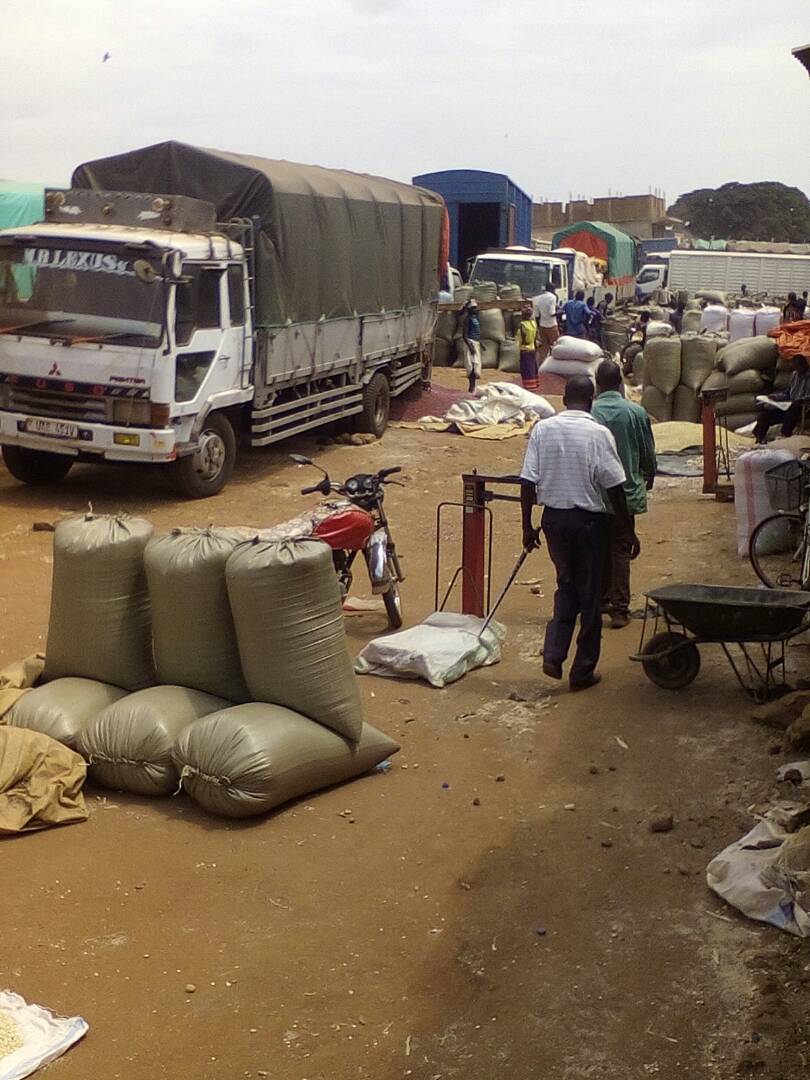
1. Maize Grain — Farm Gate Prices Decline on Post-Harvest Surge in Supply
Volumes of freshly harvested maize grain have been delivered to markets from major production areas across Uganda, exerting considerable downward pressure on prices in both central and eastern market regions. In the districts of Hoima, Kiboga, and Kyankwanzi, farm gate prices declined sharply to UGX 900 per kilogram. Similarly, in the Eastern Region — specifically within the Busoga Sub-region in Iganga-Bugweri Sub-County — maize grain was offered at UGX 800 per kilogram, reflecting the high volume of produce arriving from these growing zones.Both Kisenyi, Kampala market and Iganga Town council registered new maize at Ugx.1100/kg.
Overall seasonal production is estimated to have improved relative to the 2025 season, largely attributable to below normal rainfall received between February and April 2026, which supported effective germination and crop development across major maize-growing areas. It is, however, noteworthy that the season was interrupted by a dry spell during April and May, which moderated yield gains in certain localities and may have implications for the latter stages of the harvest period.
2. Beans — Quality Improves as Robust Domestic Supply Eliminates Import Demand
The quality of newly harvested beans arriving on the general market has improved markedly, with consignments recording better moisture content levels across all varieties. Supplies continue to flow steadily into Kampala and other major urban centres, which remain the primary consumption hubs for beans nationally. Wholesale prices for Yellow beans and Nambale beans have eased to a range of UGX 2,200 to UGX 2,500 per kilogram, reflecting the increased availability of produce. Supply volumes across all varieties are projected to remain robust throughout June and July 2026.
The abundance of domestically produced beans has rendered imported stock from Tanzania largely uncompetitive, with no discernible market demand recorded for cross-border consignments at this time. At the regional produce hub of Busia, accumulated bean stocks are being channelled for export to Kenya and beyond, reinforcing Uganda’s position as a reliable net exporter of legumes within the broader East African regional market.
3. Groundnuts — Wholesale Prices Soften on Increased Supply from Busoga Sub-Region.
Wholesale market prices for Red Beauty groundnuts have declined to UGX 4,500 per kilogram, driven by increased volumes of supply arriving from the Busoga Sub-region. The additional supply has introduced competitive pricing pressure at the wholesale level, benefiting both processors and end consumers. Other commodities currently being delivered alongside groundnuts to major trading centres include sorghum and assorted bean varieties, further broadening the range of produce available on the market.
4. Irish Potatoes — Domestic Production Displaces Cross-Border Imports
Irish potato supplies from all major domestic production zones have registered a significant presence in the Kampala market. Previously, supply gaps were addressed through direct imports from Naivasha, Kenya, into the Kisenyi-Bumonde Market. However, domestically produced stock from the districts of Mbale-Wanale, Kapchorwa, Kabale, and Kabarole has now reached Kampala’s major markets in substantial volumes. This development has materially reduced the market’s dependence on cross-border imports while improving price competitiveness for the locally grown crop.
5. Matooke (Cooking Banana) — Abundant Supply Depresses Prices and Slows Maize Flour Demand
An abundant supply of Matooke (cooking banana) sourced from the Greater Mbarara region has flooded major consumption centres, including Kampala and surrounding peri-urban areas, driving retail prices downward across the board. The increased availability and improved affordability of Matooke has, in turn, dampened consumer demand for maize flour, as households increasingly shift toward the cooking banana as a more economically attractive staple alternative. This substitution effect is expected to persist for as long as Matooke supply levels remain elevated across primary urban and peri-urban markets.
This report is compiled on the basis of market intelligence gathered by Farmgain Africa from key commodity trading centres across Uganda — June 2026.